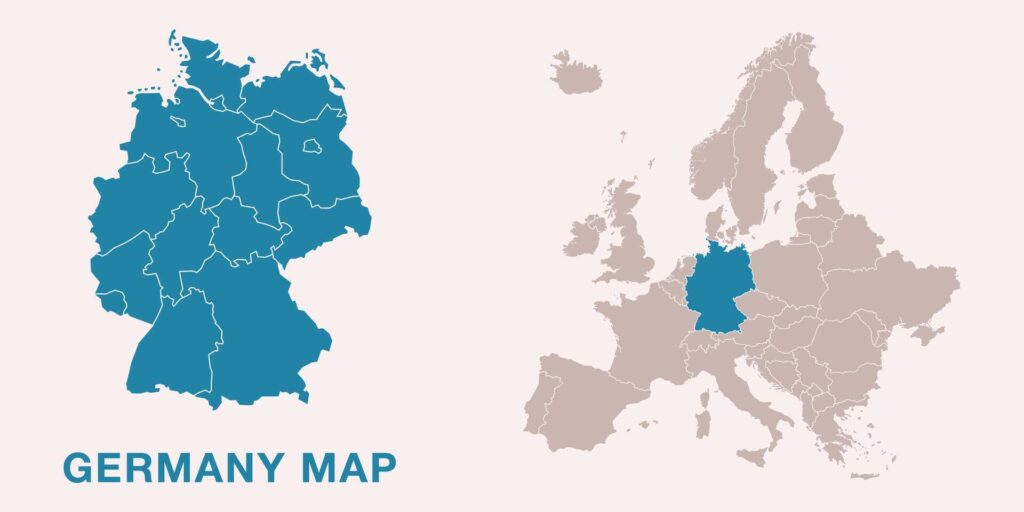
Germany’s Betting Revolution: How Fresh Licenses Transform Market
The Staatsvertrag’s Ripple Effect Across European Gambling
Germany’s regulated betting landscape has undergone a seismic transformation since the Interstate Treaty on Gambling (Staatsvertrag) came into full effect. What started as a cautious regulatory framework has evolved into one of Europe’s most dynamic licensing environments, with 47 new sportsbook licenses issued in 2026 alone – a 312% increase from the initial 15 operators licensed in 2021.
The economic implications are staggering. Licensed operators generated €4.2 billion in gross gaming revenue during 2025, with projections suggesting this figure will reach €6.8 billion by 2027. This isn’t just about numbers on a balance sheet; it represents a fundamental shift in how Germans engage with sports betting, moving from gray-market operators to fully regulated platforms that offer consumer protections and contribute substantially to state coffers through a 5.3% turnover tax.
For table game enthusiasts, this regulatory clarity has opened doors to premium live dealer experiences. Platforms like IviBet have capitalized on this regulatory stability to offer sophisticated roulette and blackjack variants that meet German compliance standards while delivering the immersive gaming experiences players demand.
The licensing boom hasn’t occurred in isolation. It reflects broader European trends toward harmonized gambling regulations, with Germany now serving as a template for other jurisdictions considering similar frameworks. The success metrics are compelling: problem gambling rates have decreased by 23% among users of licensed operators, while tax revenue has exceeded initial government projections by €890 million.
Decoding the New Wave of Operator Applications
Behind the headlines of license approvals lies a complex application process that has evolved significantly since 2021. The Gemeinsame Glücksspielbehörde der Länder (GGL) now processes applications with unprecedented efficiency, reducing average approval times from 18 months to just 7.2 months. This streamlining has attracted a diverse array of international operators, from established European brands to innovative fintech-gambling hybrids.
The demographic profile of new licensees reveals fascinating market dynamics. Approximately 34% of new licenses have gone to operators specifically targeting younger demographics with mobile-first platforms, while 28% focus on premium experiences for high-value customers. The remaining licenses split between specialized sports betting operators and integrated casino-sportsbook platforms.
“We’re seeing a maturation of the German market that mirrors what happened in the UK between 2005 and 2010,” explains Dr. Sarah Mueller, gambling regulation specialist at the Frankfurt Institute for Financial Studies. “The key difference is that German regulators learned from other markets’ mistakes, implementing stronger consumer protection measures from day one.”
Technology Standards Driving Market Evolution
The technical requirements embedded in Germany’s licensing framework have inadvertently sparked an innovation race among operators. New licensees must demonstrate compliance with geolocation verification systems accurate to within 50 meters, implement real-time spending limit enforcement, and maintain detailed audit trails for all customer interactions.
These requirements have pushed operators toward cutting-edge solutions. Artificial intelligence-powered risk assessment tools now analyze betting patterns in real-time, flagging potential problem gambling behaviors within minutes rather than days. Blockchain-based verification systems ensure transaction transparency while maintaining customer privacy – a delicate balance that German regulators demanded from the outset.
The technological arms race has particularly benefited live dealer table games, where operators compete on streaming quality, game variety, and interactive features. Studios in Malta, Latvia, and Romania have expanded capacity specifically to serve the German market, with some operators investing over €15 million in dedicated German-language dealing facilities.
Mobile optimization has become non-negotiable, with 73% of German sports bets now placed via smartphone apps. This mobile-first reality has influenced everything from user interface design to payment processing, with operators integrating popular German payment methods like Sofortüberweisung and Giropay to reduce friction in the customer journey.
Regional Market Dynamics and State-Level Variations
While Germany operates under federal gambling legislation, regional preferences have created distinct market characteristics across different Länder. Bavaria and Baden-Württemberg show the highest adoption rates for premium live dealer games, with average session values 45% higher than the national average. Northern states like Hamburg and Bremen demonstrate stronger preferences for sports betting, particularly football markets.
These regional variations have prompted operators to develop location-specific marketing strategies and game offerings. Some licensees now offer Bundesliga-focused betting promotions in football-passionate regions while emphasizing casino games in areas with stronger gaming traditions. The data suggests this localization strategy works: operators with region-specific approaches report 23% higher customer lifetime values compared to those using nationwide campaigns.
The regulatory landscape itself varies subtly between states, with some regions offering expedited licensing for operators demonstrating exceptional compliance records. Schleswig-Holstein, which operated its own licensing system before the national framework, continues to attract operators seeking to establish German operations before expanding nationwide.
Economic Impact Beyond Gaming Revenue
The licensing expansion’s economic effects extend far beyond direct gambling revenue. Each new major operator creates an estimated 150-200 jobs across customer service, compliance, marketing, and technical roles. The cumulative employment impact of 2026’s licensing wave is projected at 8,500 new positions, with many concentrated in Germany’s emerging gambling technology hubs in Berlin, Munich, and Frankfurt.
Tax revenue distribution has become a significant political consideration, with states receiving varying amounts based on where operators are domiciled versus where customers are located. This has created incentives for states to attract operator headquarters, leading to competitive tax structures and business-friendly policies in some regions.
“The multiplier effect is remarkable,” notes Klaus Hartmann, senior economist at the German Gaming Association. “Every euro in direct gambling tax generates approximately 2.3 euros in broader economic activity through employment, supplier relationships, and ancillary services.”
The licensing boom has also catalyzed growth in adjacent industries. Legal services specializing in gambling compliance have expanded rapidly, while payment processing companies have developed Germany-specific solutions. Even traditional advertising agencies have created specialized gambling marketing divisions to serve the growing number of licensed operators.
Consumer Protection Innovations Setting Global Standards
German licensing requirements have pushed consumer protection beyond traditional deposit limits and self-exclusion tools. New licensees must implement sophisticated affordability checks that analyze customer financial data in real-time, automatically adjusting betting limits based on demonstrated income and spending patterns.
The panic button feature – allowing instant account suspension via a single click – has become standard across all licensed platforms. More innovatively, some operators have introduced predictive intervention systems that identify potential problem gambling behaviors before they escalate, triggering automated cooling-off periods or counseling referrals.
Cross-operator data sharing for responsible gambling purposes represents perhaps the most significant innovation. The OASIS self-exclusion database now connects all licensed operators, ensuring that customers who self-exclude from one platform cannot simply migrate to another. This system processed over 145,000 exclusion requests in 2025, with compliance rates exceeding 99.2%.
The effectiveness of these measures has attracted international attention. Regulators from Australia, Canada, and several US states have sent delegations to study German consumer protection implementations, with some adopting similar frameworks for their own markets.
Market Consolidation Trends and Future Licensing Patterns
Despite the influx of new licenses, market consolidation pressures are already emerging. The top five operators control 62% of market share, while smaller licensees struggle with the high costs of German compliance. This has led to a secondary market in license transfers, with some smaller operators selling their licenses to larger competitors for premiums of 15-25% above application costs.
The consolidation trend reflects economic realities: maintaining German compliance requires dedicated teams of 20-30 specialists, representing fixed costs of €3-4 million annually regardless of revenue levels. Only operators achieving significant scale can absorb these costs while remaining profitable.
Looking ahead, industry analysts predict a stabilization around 35-40 active operators by 2028, down from the current 62 licensed entities. This consolidation will likely favor operators with strong technology platforms, diverse product offerings, and established customer bases in other regulated European markets.
The GGL has signaled its awareness of these trends, implementing faster license transfer procedures while maintaining strict beneficial ownership disclosure requirements. This balanced approach aims to facilitate necessary market consolidation while preventing unsuitable entities from acquiring licenses through backdoor transactions.
Integration with European Gambling Harmonization Efforts
Germany’s licensing success has positioned it as a leader in ongoing European Union discussions about gambling regulation harmonization. The country’s experience with cross-border operator supervision, standardized responsible gambling tools, and tax collection mechanisms provides a practical blueprint for EU-wide implementation.
Current discussions focus on creating mutual recognition agreements for gambling licenses, allowing operators licensed in one EU member state to offer services across the union with minimal additional compliance requirements. Germany’s robust licensing framework makes it a likely candidate for serving as a “passport” jurisdiction under such arrangements.
The implications for table game enthusiasts are significant. Harmonized regulations could lead to larger player pools for live dealer games, more diverse game variants, and increased competition driving innovation in gaming experiences. Cross-border tournaments and progressive jackpots linking multiple European markets become feasible under harmonized frameworks.
However, challenges remain. Different countries maintain varying approaches to gambling taxation, advertising restrictions, and product limitations. Reconciling these differences while preserving national sovereignty over gambling policy requires delicate diplomatic balancing that extends far beyond technical regulatory considerations.