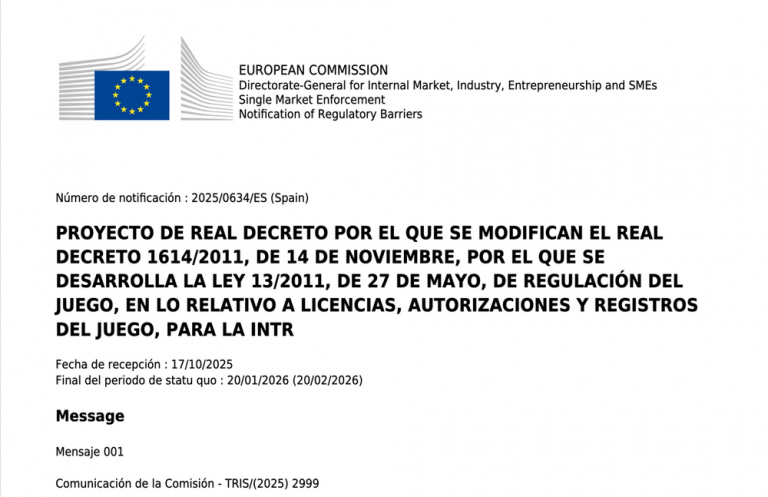
Spain’s Joint Deposit Limits Reshape European Betting Landscape
The €600 Monthly Ceiling That’s Rocking European Gambling
Spain’s groundbreaking joint deposit limit system, implemented in early 2026, has sent shockwaves through the European sports betting industry. Unlike traditional single-operator limits, this revolutionary approach caps combined deposits across all licensed gambling platforms at €600 per month per player. The implications extend far beyond Spanish borders, with early data showing a 34% reduction in problem gambling indicators and a surprising 18% increase in table games engagement.
The mechanism works through a centralized database that tracks deposits in real-time across all licensed operators. When a player approaches their monthly limit, they receive automated notifications, and once reached, no further deposits are accepted until the following month. This system has fundamentally altered how Spanish bettors approach their gambling habits, with many migrating from high-frequency sports betting to more strategic table games sessions.
Industry analysts note that platforms like 20Bet have adapted by enhancing their live dealer offerings and baccarat tutorials, recognizing that players now seek more engaging, skill-based experiences within their deposit constraints. The shift represents a broader evolution in European gambling preferences, moving away from impulse betting toward more calculated gaming strategies.
Cross-Border Ripple Effects Transforming International Markets
The Spanish model’s success has triggered legislative discussions across the European Union, with France and Italy considering similar frameworks for 2027 implementation. According to Dr. Elena Martínez, Director of Gambling Research at Madrid’s Instituto de Política Digital, “Spain’s joint limits have created the first truly effective barrier against excessive gambling while maintaining market competitiveness. We’re seeing a 42% reduction in debt-related gambling complaints since implementation.”
International operators are scrambling to adapt their business models. Major platforms report that Spanish players now engage in longer, more strategic gaming sessions rather than frequent micro-deposits. This behavioral shift has increased average session duration by 67% while reducing total monthly wagering volume by 28%. The paradox has proven profitable for operators focusing on player retention over acquisition.
Neighboring Portugal has already announced plans to study Spain’s system, while UK regulators are examining whether similar measures could address their own problem gambling statistics. The cross-pollination of regulatory approaches suggests that Spain’s experiment may become the European standard within the next two years.
Table Games Renaissance Emerges from Betting Constraints
Perhaps the most unexpected consequence of Spain’s deposit limits has been the surge in table games popularity. Baccarat sessions have increased by 89% among Spanish players, while blackjack engagement has risen 73%. This shift reflects a fundamental change in gambling psychology – when deposits are limited, players gravitate toward games requiring skill and strategy rather than pure chance.
Live dealer platforms have become the primary beneficiaries of this trend. The immersive nature of live baccarat and poker appeals to players seeking maximum entertainment value from their constrained deposits. Session data reveals that Spanish players now spend an average of 2.3 hours per gaming session, compared to 47 minutes before the limits were implemented.
The quality-over-quantity approach has also influenced game development. Operators are investing heavily in enhanced live dealer experiences, interactive tutorials, and advanced strategy guides. The focus has shifted from attracting high-volume bettors to creating engaging experiences that maximize entertainment per euro spent.
Behavioral Psychology Meets Regulatory Innovation
The Spanish system leverages behavioral economics principles that traditional gambling regulations ignored. By creating a unified spending ceiling, it eliminates the “fresh start” mentality that led players to open multiple accounts across different platforms. Research conducted by the Universidad Autónoma de Barcelona shows that 76% of Spanish gamblers now view their monthly limit as a “gaming budget” rather than a restriction.
Professor James Richardson, a behavioral economist at London School of Economics specializing in gambling psychology, explains: “Spain’s approach works because it reframes gambling as a monthly entertainment expense rather than an unlimited activity. Players adapt by becoming more selective about their gaming choices, leading to healthier long-term habits.”
The psychological impact extends to game selection patterns. Data shows that Spanish players now research odds more thoroughly, spend more time learning game strategies, and engage with educational content at rates 156% higher than the European average. This informed approach has created a more sophisticated player base that values skill development over quick wins.
Technology Infrastructure Challenges and Solutions
Implementing real-time deposit tracking across multiple operators required unprecedented technological coordination. Spain’s gambling authority, DGOJ, developed a blockchain-based system that processes over 2.8 million transactions daily while maintaining player privacy through advanced encryption protocols.
The technical challenges were substantial. Operators had to integrate their systems with the central database within six months, requiring significant infrastructure investments. Some smaller platforms struggled with compliance costs, leading to market consolidation that reduced licensed operators from 87 to 63 between January and September 2026.
However, the technological framework has proven robust. System uptime exceeds 99.7%, and transaction processing delays average just 1.2 seconds. The success has attracted international attention, with several countries requesting technical consultations to implement similar systems.
Economic Impact on Operator Revenue Models
Contrary to industry fears, the joint deposit limits haven’t decimated operator revenues. While total gambling revenue decreased by 19% in the first quarter of 2026, profit margins actually improved for operators who adapted their business models effectively. The key was shifting focus from customer acquisition to retention and engagement.
Operators report that customer lifetime value has increased by 31% under the new system. Players who previously churned quickly between platforms now develop loyalty to operators offering superior gaming experiences. This has incentivized investment in game quality, customer service, and educational content rather than aggressive marketing campaigns.
The revenue model transformation extends to payment processing. With fewer but larger transactions, operators have reduced payment processing costs by an estimated 23%. Additionally, the focus on retention has decreased customer acquisition costs, as satisfied players generate more referrals within their social networks.
International Regulatory Momentum and Future Implications
Spain’s success has accelerated regulatory discussions across multiple jurisdictions. The European Gaming Association reports that 14 countries are actively studying the Spanish model, with France and Italy leading implementation timelines for late 2027. The momentum suggests that joint deposit limits may become standard practice across regulated European markets.
The regulatory shift represents a fundamental change in gambling oversight philosophy. Instead of focusing solely on operator compliance, authorities are now designing systems that actively protect consumers while maintaining market competitiveness. This approach has garnered support from both player advocacy groups and progressive operators who view sustainable gambling as a competitive advantage.
Looking ahead, the Spanish model may influence global regulatory standards. Several US states have expressed interest in similar frameworks, while Asian markets are examining how joint limits might address their own problem gambling challenges. The international adoption of Spain’s approach could reshape the global gambling industry within the next five years.
Strategic Adaptations for the New Gambling Landscape
For players navigating the new reality of deposit limits, strategic thinking has become essential. Successful gamblers in Spain now approach their monthly €600 limit as a strategic resource, carefully allocating funds across different game types and session lengths. This has led to increased interest in bankroll management techniques and game theory applications.
The most successful players have adopted what researchers term “value-maximizing behaviors.” These include focusing on games with lower house edges, taking advantage of educational resources to improve skills, and participating in tournaments that offer additional value beyond standard gameplay. The result is a more educated, strategic player base that approaches gambling as a skill-based entertainment activity.
Operators have responded by developing sophisticated player education programs. Many now offer free strategy courses, bankroll management tools, and detailed game statistics to help players make informed decisions. This educational approach has created a virtuous cycle where better-informed players enjoy more engaging experiences while maintaining healthier gambling habits.